“I am not happy when I do not go regularly to church, and not (I think) because I am oppressed by the consciousness of wrongdoing, but because I am weightier, having missed the opportunity to meditate, express adoration, contrition and thanks in loving and dignified communion with others.” Barbara Grizutti Harrison
The original name of this crowd we call the church is ecclesia, a Greek word that signifies those “called out” by God’s address. Let us be clear: we are not talking about organized religion, but about the community-creating reality of Christ’s living presence in the world. We gather on Sunday morning because we long to be addressed, in word or music or silence, by the God who has come to us in a human life. We listen, sometimes desperately, for a word not our own that will tell us of the love that never quits, of the word that counters the cacophony of words we have heard all week long. We come together because we need to sort out what is worth our lives and have been given the means to do so—in scripture, sermon, baptism, communion–means that are designed to work in a crowd that minimally includes two or three.
How We Worship
The Presbyterian Church of Chestnut Hill is part of a theological tradition known as “Reformed.” One characteristic of worship in this tradition (and in our congregation) is its focus on God. At first, that may seem the obvious subject of worship until one “shops around” and discovers the popularity of worship centered on human emotions and expectations. As our Book of Common Worship states in its introduction, “Our attention is drawn to the majesty and glory of the triune God, who created all things and by whose power all things are sustained….”
Translated into our order of worship, we enter the sanctuary with humility and awe, helped by the chords of the opening voluntary, as we prepare to worship the living God. The first words spoken and sung are words of praise, often from the songbook of the church known as the Book of Psalms. The second words we speak are words of contrition, for in God’s presence we acknowledge our prodigal lives lived without reference to God and God’s purposes. Then we are offered the word of God’s grace toward us and God’s forgiveness of us in Jesus Christ.
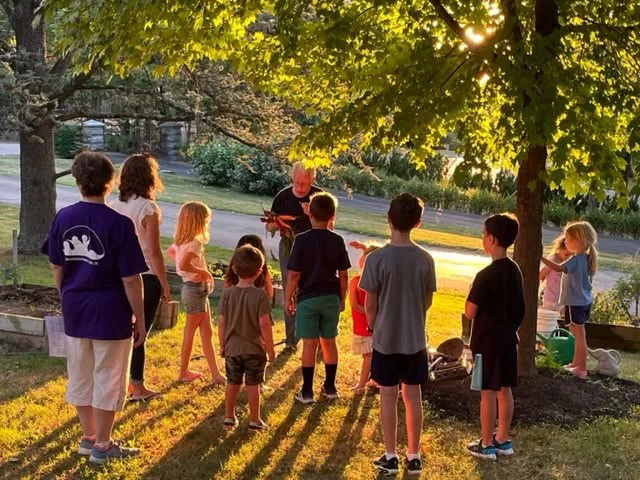
These first acts of worship remind us of the second characteristic of Reformed worship: “It is thoroughly biblical, expressing the faith proclaimed in Scripture. Its texts are rooted in the story of God’s calling and redeeming a people in the death and resurrection of Jesus Christ, and of God’s sending them in the power of the Holy Spirit to minister to the world.” At the center of our worship is the word read, sung (we sing the psalms every Sunday as was the custom of the earliest Reformers), proclaimed and acted out in the sacraments of baptism and the Lord’s Supper. Our children come forward after the reading of Scripture for a conversation about what the story might to them. Then in the sermon, the minister seeks to interpret the meaning of Scripture through the work of the Spirit, the help of the church’s theological tradition and biblical scholarship as well as the best and brightest voices from the sciences, the arts, and the humanities. This is truly a church whose preachers have the newspaper in one hand and the Bible in the other.
It follows, then, that a third characteristic of Reformed worship imbedded in our preaching and our prayers is the conviction that God is acting in history. “God is not only the creator of all things, but rules over all things, and is involved in the affairs of the world to the end that the purposes of God may be embraced in all creation.” After the word is proclaimed, the rest of the service is our ordered response to what we have heard: through our prayers for the world, our gifts offered for the work of the church and our affirmation of the church’s faith. Often the final hymn sends us out into the world as bearers of the news of God’s love, justice and mercy.
What is left unsaid and cannot be expressed adequately in words is the dignity, integrity, thoughtfulness, intelligence and grace that we attempt to embody each Sunday to the glory of God in our music. The sound of the organ, the practiced excellence of the choir, the hymns and anthems drawn from every age and nation are chosen for their biblical, theological and musical substance and excellence. In word and music, in silence and speech, the service of worship is offered to the glory of God and ordered toward the faith that seeks understanding.
Where we worship
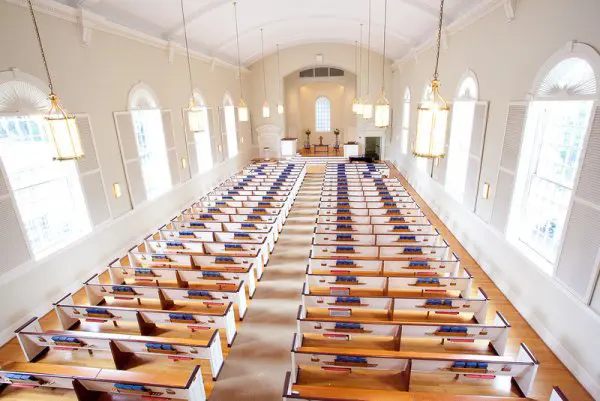
When you venture through the doors of this church, you will enter a space characterized by its peacefulness and simple elegance. A Celtic cross is the lone symbol in the center of the front of the sanctuary.
From the lectern on the right we are called to worship and from the pulpit on the left God’s Word is proclaimed. At the baptismal font, infants and adults enter the community as those who have been born anew from God. As we break bread together around the table, we recognize Christ’s living presence among us.
Light floods in the windows even in the late afternoon when the shadows lengthen. The choir gathers in the gallery at the rear of the sanctuary, their singing strengthening our own.
The Mander Organ was built in 1999 when the sanctuary was renovated. In the wood you can trace the theme of the 150th psalm, a psalm of praise
Previous Worship
Worship is at the heart of our life together at PCCH, and we hope you find meaning as you experience our previous services.
We attempt to post these services and sermons in a timely way; thank you for your patience if there is an unanticipated delay. If you have any questions, please don’t hesitate to contact the church office.